How to Manage a Second Photographer on a Wedding Day
Learn how to manage a second photographer on a wedding day with clear timelines, shot priorities, planner communication, moodboards, and collaborator access through Zaiya.
Share this post
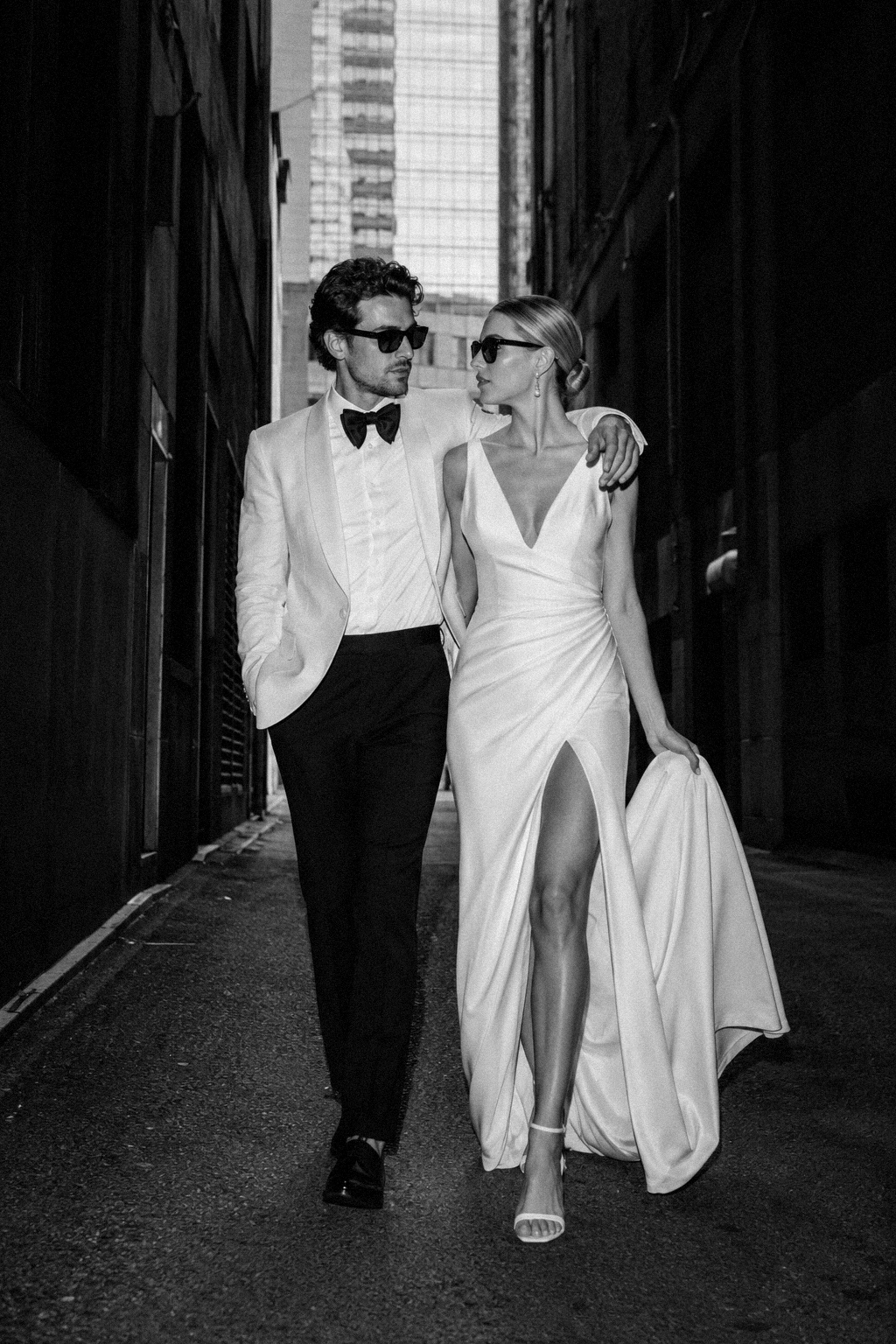
A second photographer can completely change the flow of a wedding day.
When managed well, they help you cover more angles, protect important moments, move faster, and give the final gallery more depth. When managed poorly, they can create confusion, duplicate the same shots, miss key moments, or leave you with a messy editing process after the wedding.
For luxury wedding photographers especially, the second photographer is not just “extra coverage.” They are part of the client experience.
They need to understand the timeline, the priorities, the family dynamics, the planner’s expectations, the visual direction, the gallery goals, and the way you want the day to feel.
That requires more than a quick text the night before.
It requires a clear workflow.
Why Second Photographer Management Matters
A wedding day moves quickly. There are multiple locations, overlapping moments, tight timelines, family expectations, planner requests, and emotional moments that cannot be recreated.
The lead photographer is responsible for carrying the full creative direction of the day, but they cannot be everywhere at once.
That is where a strong second photographer becomes incredibly valuable.
They may cover:
The other partner getting ready.
Guest arrivals.
Alternate ceremony angles.
Cocktail hour candids.
Reception room details before guests enter.
Family reactions.
Wide environmental shots.
Candid moments between formal events.
Behind-the-scenes transitions.
But simply having a second photographer is not enough. They need direction.
If they do not know what matters most, they may default to shooting whatever feels obvious. That can lead to duplicated coverage, missed details, or a gallery that feels inconsistent.
The goal is not to micromanage them. The goal is to give them the context they need to make smart decisions without needing constant direction.
Start Before the Wedding Day
The best second photographer management happens before the wedding begins.
By the time they arrive on shoot day, your second photographer should already know the general timeline, locations, couple names, planner contact, family priorities, ceremony structure, portrait expectations, and any sensitive details they need to be aware of.
They should not be learning the entire wedding day from a crowded group text in the parking lot.
A strong pre-wedding briefing should include:
The full wedding timeline.
Getting-ready locations.
Travel and parking notes.
Family photo list.
Ceremony restrictions.
Shot priorities.
Planner and vendor contacts.
Dress code expectations.
Backup plan for weather.
Gallery style and editing notes.
Any important family dynamics.
This helps your second photographer feel prepared and professional. It also makes you look more organized to your client and planner.
Luxury wedding days are built on calm execution. A second photographer who feels lost can disturb that calm quickly.
Give Them a Clear Role
One of the biggest mistakes photographers make is assuming the second shooter already knows what they should focus on.
Some second photographers are experienced and intuitive. Others may be talented, but still need structure.
Before the wedding, define their role clearly.
For example:
During getting ready, they may cover the groom or second partner.
During the ceremony, they may stay wide while you shoot close.
During portraits, they may capture candid in-between moments while you direct.
During cocktail hour, they may photograph guests while you cover reception details.
During reception entrances, they may focus on guest reactions while you cover the couple.
The more clearly you define the role, the less overlap you create.
This also helps protect the final gallery. Instead of receiving hundreds of near-identical images, you get coverage that actually adds perspective.
Share the Wedding Day Priorities
Not every wedding has the same priorities.
Some couples care deeply about family photos. Others care more about candid guest moments. Some weddings are design-heavy, where the planner and florist will expect strong detail coverage. Others are emotionally driven, with family moments carrying the most weight.
Your second photographer needs to understand what kind of wedding they are walking into.
Before the wedding, share the main creative priorities.
For example:
“This wedding is very design-focused, so I need strong reception room coverage before guests enter.”
“The couple is very close with their grandparents, so please watch for family reactions throughout the day.”
“The planner is a major relationship for us, so we need thoughtful vendor and detail coverage.”
“The ceremony space is tight, so please stay wide and avoid crossing the aisle.”
“The couple wants the gallery to feel candid and editorial, so look for movement, atmosphere, and quiet moments.”
This kind of direction allows your second photographer to shoot with intention instead of guessing.
Use a Shared Portal Instead of Scattered Texts
A wedding day has too many moving parts to rely on scattered screenshots, old email threads, or last-minute text messages.
This is where a portal can make a huge difference.
With Zaiya, photographers can add second photographers as collaborators inside the wedding project. Instead of sending a messy bundle of timeline screenshots, PDFs, text notes, and vendor details, the second photographer can access the information they need in one organized place.
A second photographer collaborator can be given access to relevant shoot day details such as:
Timeline notes.
Location information.
Family photo lists.
Planner details.
Vendor contacts.
Shot priorities.
Moodboards.
Important client notes.
Wedding day updates.
This keeps the second photographer informed without giving them unnecessary access to the full client relationship or private business details.
It creates a more polished workflow for the lead photographer and a much calmer experience for the team.
Make Timeline Access Easy
On a wedding day, timing is everything.
If your second photographer has to constantly ask, “Where are we going next?” or “What time is family photos?” it slows everyone down.
A shared timeline helps the entire photo team stay aligned.
Your second photographer should be able to quickly check:
Where they need to be.
When they need to move.
What they are responsible for.
Which moments are coming up next.
Who the key contacts are.
Any timeline changes from the planner.
In a luxury wedding environment, the ability to move confidently matters. The team should look prepared, not reactive.
When second photographers have timeline access through a portal like Zaiya, they can stay oriented without interrupting the lead photographer during key moments.
That means fewer questions, fewer missed transitions, and a smoother day.
Share Moodboards and Visual Direction
Second photographers are not just collecting backup images. They are contributing to the final story of the day.
To make their images feel cohesive with yours, they need to understand the visual direction.
A moodboard can help communicate the atmosphere, style, and priorities of the wedding.
This may include:
Editorial portrait references.
Detail styling direction.
Lighting preferences.
Ceremony coverage examples.
Reception atmosphere inspiration.
Candid guest moments.
Fashion and wardrobe notes.
Composition preferences.
When a second photographer understands the visual language of the day, their images are more likely to blend naturally into the final gallery.
This is especially important for photographers building a luxury brand. The final gallery should feel cohesive, not like two different photographers interpreted the wedding in completely different ways.
Zaiya’s portal structure helps keep that creative direction accessible. Instead of burying moodboards in old emails or text threads, they can live inside the project where collaborators can reference them when needed.
Clarify Communication on the Wedding Day
Second photographer communication should be simple.
Too much communication can become distracting. Too little can create mistakes.
Before the day begins, decide how you will communicate.
Will you use text?
Will you use a group thread with the planner?
Will you check in only during transitions?
Will the second photographer contact you directly if something changes?
Will they communicate with the planner, or should everything go through you?
For luxury weddings, communication should feel discreet and professional. Your second photographer should not be asking the planner questions that have already been answered. They should also not be interrupting the couple or family unnecessarily.
A portal helps reduce unnecessary communication because the important information is already organized and accessible.
The best communication system is the one that prevents confusion before it happens.
Protect the Client Experience
Your second photographer is part of your brand for the day.
Even if they are freelance, the couple, family, planner, and vendors will experience them as part of your business.
That means they need to understand more than the shot list.
They need to understand your service standard.
This includes:
How to speak to clients.
How to move through the day.
How to dress.
How to interact with planners.
How to handle stressful moments.
How to avoid taking over when the lead photographer is directing.
How to support without becoming distracting.
At the luxury level, presence matters.
A second photographer should feel calm, polished, helpful, and aware. They should be confident without being intrusive. Friendly without being too casual. Present without pulling focus.
The couple may not know exactly what your second photographer is capturing, but they will remember how the team made them feel.
Avoid Duplicated Coverage
One of the easiest ways to waste second photographer coverage is having both photographers shoot the same thing from the same angle.
There will always be some overlap, but the second photographer should usually be adding a different perspective.
During the ceremony, one photographer may cover the couple while the other focuses on family reactions.
During portraits, one may shoot directed images while the other captures in-between moments.
During reception details, one may shoot wide room scenes while the other captures close textures and place settings.
During speeches, one may focus on the speaker while the other captures couple and guest reactions.
Before the wedding, give your second photographer clear instructions on where to be during major moments.
This helps create a fuller gallery and gives the client a richer story.
Create a Post-Wedding File Workflow
Managing a second photographer does not end when the wedding is over.
You need a clear file delivery process.
Before the wedding day, your second photographer should know:
When files are due.
How files should be delivered.
Whether they should cull or send everything.
How folders should be named.
Whether timestamps need to be synced.
Whether they can use images in their portfolio.
Whether social sharing is allowed.
What crediting rules apply.
The post-wedding process can become chaotic if expectations are not clear.
Luxury photographers should make this process clean and professional. A strong backend workflow protects delivery timelines and keeps the client experience smooth.
If you are promising fast previews or a refined gallery delivery experience, your second photographer workflow needs to support that.
Give the Planner Confidence
A well-managed second photographer does not only help the lead photographer. They also make the planner’s life easier.
Planners want to know that every creative partner is prepared.
If your second photographer knows the timeline, understands the locations, respects the flow of the day, and communicates professionally, the planner will notice.
That matters.
Planner relationships are one of the most important parts of building a luxury wedding photography business. When planners see that your team is organized, calm, and easy to work with, they are more likely to trust you again.
A polished second photographer workflow sends a message:
You are not winging it.
You have a system.
You care about the full experience.
You make the wedding day easier.
That is the kind of professionalism planners remember.
How Zaiya Helps With Second Photographer Management
Zaiya was built for photographers who want their client experience and wedding workflow to feel more elevated.
Second photographer management is a perfect example of where that matters.
Instead of managing shoot day details through scattered texts, screenshots, and forwarded emails, Zaiya allows photographers to add second photographers as collaborators inside a wedding project.
That means the second photographer can have access to the information they need, without being treated like a client and without needing full access to the business side of the project.
With Zaiya, a lead photographer can create a more organized workflow for:
Timeline access.
Shot priorities.
Moodboards.
Family photo lists.
Planner details.
Location notes.
Wedding day updates.
Collaborator communication.
This helps second photographers show up prepared, aligned, and ready to support the lead photographer at a higher level.
For luxury wedding photographers, that kind of organization is not just convenient. It becomes part of the service.
The smoother the internal workflow, the more effortless the experience feels on the outside.
A Better Second Photographer Workflow Creates a Better Gallery
When second photographers are managed well, everything improves.
The coverage becomes stronger.
The timeline feels calmer.
The planner has more confidence.
The couple feels better cared for.
The final gallery becomes more complete.
The lead photographer can focus on directing, observing, and creating instead of constantly answering logistical questions.
A second photographer should not feel like another thing to manage on the wedding day. They should feel like an extension of the lead photographer’s vision.
That only happens with preparation, clarity, and the right workflow.
Keep Reading
- Read How to Become a Luxury Wedding Photographer.
- Read Client Portal for Wedding Photographers: The Luxury Way to Manage Clients, Galleries, and Planners.
- Read Best Way to Deliver Wedding Photo Galleries to Clients.
- Read Best HoneyBook Alternative for Luxury Wedding Photographers.
- Read Best CRM for Luxury Wedding Photographers Who Work With Planners.
Final Thoughts
Managing a second photographer is not just about assigning coverage. It is about creating alignment.
A strong second photographer workflow helps protect the wedding day, support the planner, serve the couple, and create a more refined final gallery.
For photographers working in the luxury market, that level of preparation matters.
Your second photographer should know the timeline, understand the priorities, follow the visual direction, communicate professionally, and move through the day with confidence.
Zaiya helps make that possible by giving photographers a more polished way to add second photographers as collaborators and keep the entire shoot day organized in one place.
Because luxury wedding photography is not only about the images.
It is about the experience behind them.